Mechanical Drafting/CAD
Students in the GI-TEC Mechanical Drafting/CAD program learn the fundamentals of mechanical drafting procedures, industry standards, and modern design technologies. Beginning with a focus on 2D Computer-Aided Design (CAD) using AutoCAD, students progressively transition into advanced 3D modeling using Inventor and Fusion 360. As their skills develop, students collaborate on architectural projects using Revit while exploring 3D printing, additive manufacturing, rapid prototyping, and innovative manufacturing processes.
Throughout the program, students strengthen critical thinking, problem-solving, and project management skills by applying their knowledge to real-world projects for community partners, local businesses, and fellow GI-TEC programs. These experiences prepare students for employment opportunities within manufacturing and engineering industries while also opening doors to co-op placements, internships, apprenticeships, and post-secondary education in engineering, manufacturing, design, and related fields.
Mechanical Drafting/CAD is held at the GI-TEC Mt. Pleasant Campus.
Real-World Design, Collaboration, and Innovation
Students regularly use CAD software, 3D modeling, and additive manufacturing technologies to transform ideas into practical solutions that serve real clients and community partners.
Recent student projects include:
- Custom classroom solutions designed and 3D printed for GI-TEC programs, including paint roller cover and paint brush drying racks for the Interior Design program.
- Veteran support project in which a student researched, designed, and printed a custom medal support device ("stay") to help a Marine veteran securely display medals on a dress uniform.
- Accessibility and occupational support devices created in partnership with local education professionals to meet unique student needs when commercial products were unavailable in the required size or specifications.
- Community partnership projects, including custom 3D-printed floor outlet covers created for a local police station. Working from a request by a local police officer, students designed and manufactured practical solutions that improve functionality while serving the community.
- Cross-program collaborations with Construction Trades, Culinary Arts, and other GI-TEC programs, including custom hall passes, woodworking accessories, and specialized classroom tools.
- Industry partnerships with the Ionia County Career Center Diesel Technology Program, where students designed and improved 3D-printed trailer wiring tester boxes featuring enhanced battery adaptability, simplified maintenance access, and innovative clip-in component systems.
- Collaborative engineering projects that involve brainstorming, prototyping, testing, and refining designs while considering material selection, manufacturing processes, durability, cost, and serviceability.
- Technical presentations and knowledge sharing, where students explain design concepts, compare manufacturing technologies, and demonstrate the complete process from concept development to finished product.
-
 Click to see a larger version
Skip to end of gallery
Skip to start of gallery
Click to see a larger version
Skip to end of gallery
Skip to start of gallery
-
 Click to see a larger version
Skip to end of gallery
Skip to start of gallery
Click to see a larger version
Skip to end of gallery
Skip to start of gallery
-
 Click to see a larger version
Skip to end of gallery
Skip to start of gallery
Click to see a larger version
Skip to end of gallery
Skip to start of gallery
-
 Click to see a larger version
Skip to end of gallery
Skip to start of gallery
Click to see a larger version
Skip to end of gallery
Skip to start of gallery
-
 Click to see a larger version
Skip to end of gallery
Skip to start of gallery
Click to see a larger version
Skip to end of gallery
Skip to start of gallery
-
 Click to see a larger version
Skip to end of gallery
Skip to start of gallery
Click to see a larger version
Skip to end of gallery
Skip to start of gallery
-
 Click to see a larger version
Skip to end of gallery
Skip to start of gallery
Click to see a larger version
Skip to end of gallery
Skip to start of gallery
-
 Click to see a larger version
Skip to end of gallery
Skip to start of gallery
Click to see a larger version
Skip to end of gallery
Skip to start of gallery
-
 Click to see a larger version
Skip to end of gallery
Skip to start of gallery
Click to see a larger version
Skip to end of gallery
Skip to start of gallery
Mechanical Drafting in Action
GI-TEC Mechanical Drafting student Cohen LaFountain is putting his skills into action! By request of a local police officer, Cohen is 3-D printing custom floor outlet covers for our community’s police station. This project showcases his technical expertise, creativity, and commitment to community partnership — creating something both practical and appreciated. Real-world skills. Real community impact.
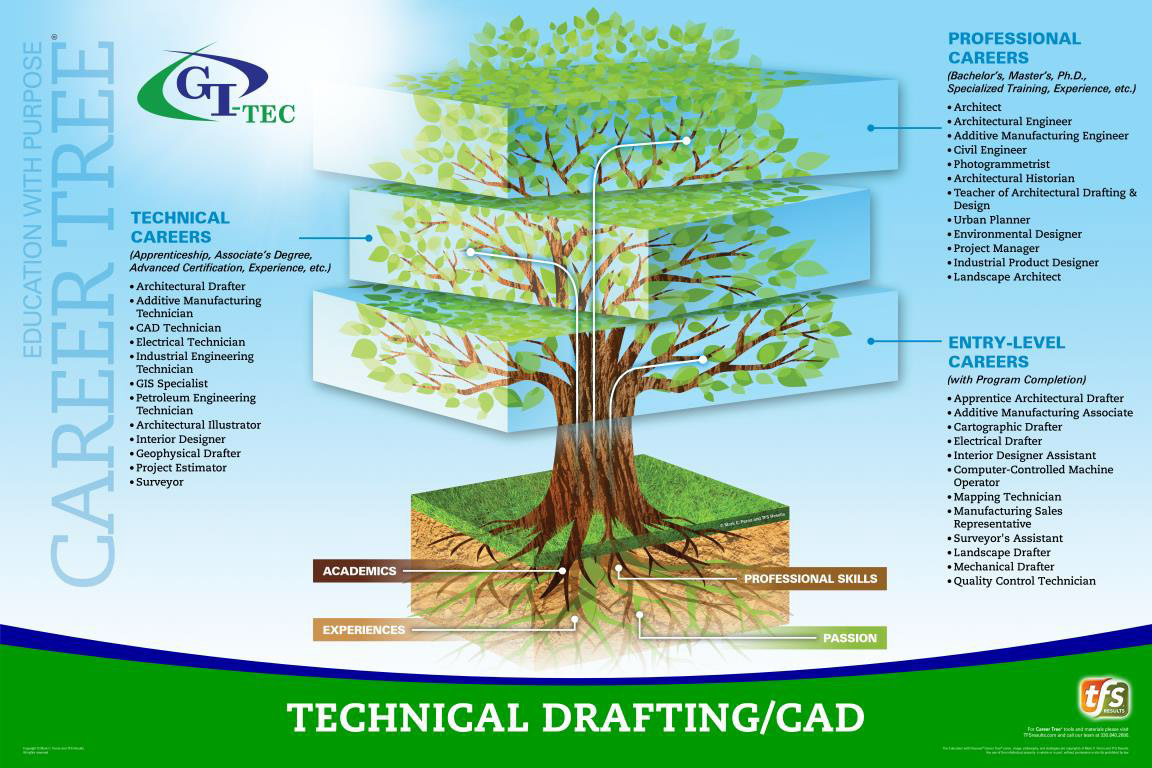
Entry Level Careers
(with program completion)
- Apprentice Architectural Drafter
- Additive Manufacturing Associate
- Cartographic Drafter
- Electrical Drafter
- Interior Design Assistant
- Computer-Controlled Machine Operator
- Mapping Technician
- Manufacturing Sales Representative
- Surveyor's Assistant
- Landscape Drafter
- Mechanical Drafter
- Quality Control Technician
Skills Students Develop
- Mechanical Drafting Standards and Procedures
- AutoCAD 2D Design
- Inventor and Fusion 360 3D Modeling
- Revit Architectural Design
- 3D Printing and Additive Manufacturing
- Rapid Prototyping
- Product Development and Engineering Design
- Manufacturing Processes
- Problem Solving and Critical Thinking
- Client Communication and Project Management
- Collaboration with Industry and Community Partners
- Design for Manufacturing and Serviceability
Through hands-on learning and authentic project experiences, students build industry-ready technical skills while creating meaningful solutions that make a positive impact within GI-TEC and throughout the community.

"I love watching students collaborate on real-world design challenges and turn abstract ideas into reality. Nothing compares to the moment students hold their own creations in their hands—bridging the gap between technical drafting and tangible, real-world feedback."
Wendy Kraemer / Mechanical Drafting CAD Instructor